
20 Years in the Making: Stories About China's Transformation
Vanessa Fabiano writes about her time in China in the 1990s, which inspired her book of short stories Chinese on the Beach.
My debut story collection, Chinese on the Beach, took two decades to turn into a published book. Set against China’s reform and opening era of the 1990s to early 2000s—one of the most extraordinary periods in recent history—these nine stories explore how individuals, both Chinese and foreign, grappled with radical change and a country reinventing itself at breakneck speed.
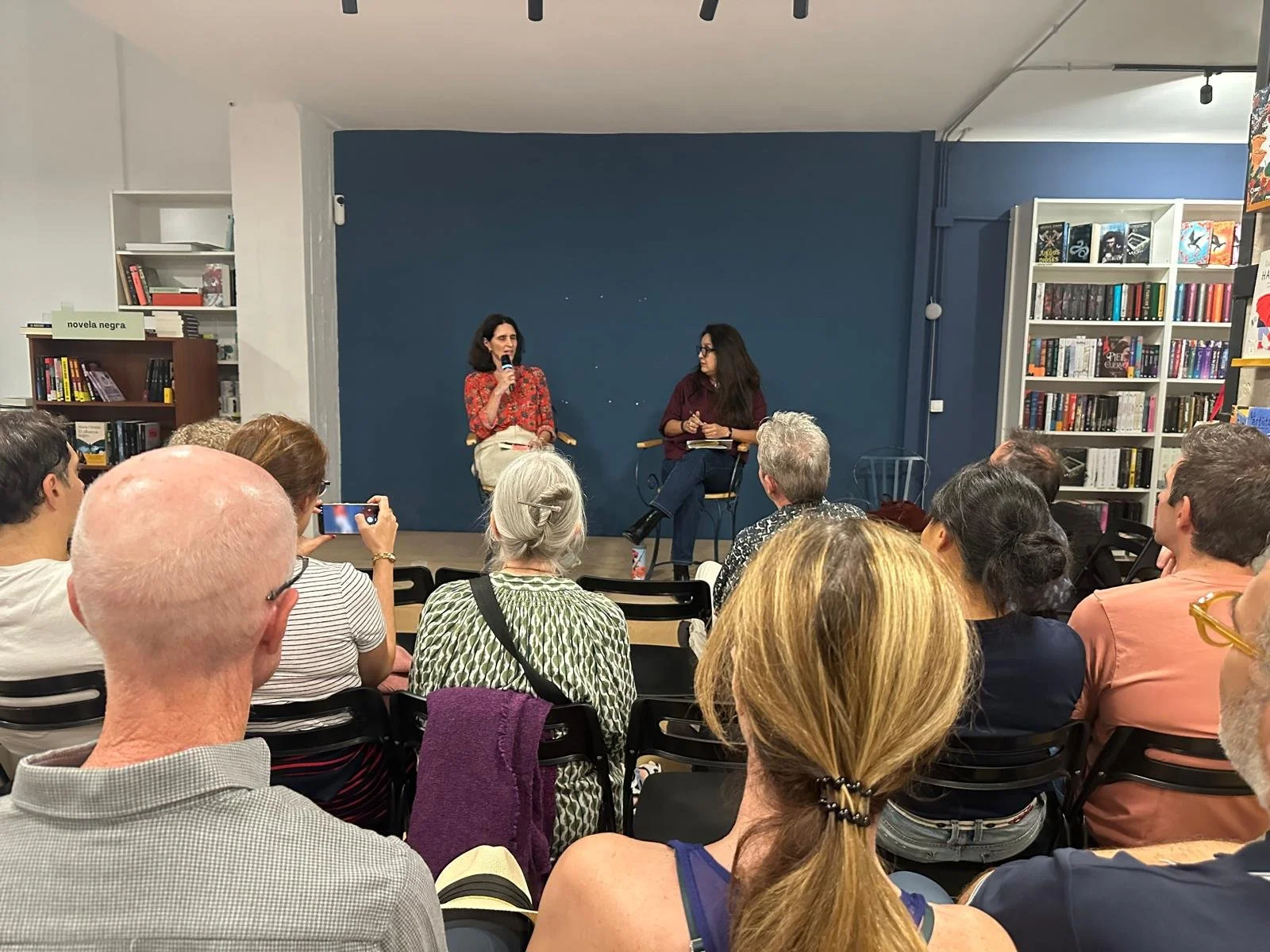
Madrid launch of Chinese on the Beach
Photograph provided by the author
A Country Reinventing Itself
I first traveled to China in the 1990s as an East Asian Studies student, then lived and worked there in the early 2000s on an EU Commission program designed to demystify Chinese business practices for European professionals. That ten-year relationship with the country is at the core of Chinese on the Beach.
China underwent a radical shift in the 1990s, what the scholar Gan Yang called a "merciless and ferocious marketization." It touched every aspect of society, triggering mass layoffs, an internal migration from countryside to city that eventually surpassed 80 million people, and a cultural collision as foreigners flooded into Beijing and Shanghai. I did not initially set out to document this pivotal era, but I clearly remember understanding that those of us living through it were witnessing a historic shift.
A Multicultural Lens
I brought a polyglot background to my time in China, cycling through a range of identities: traveler, language student, business professional, ballet dancer, censored blogger, and single expat woman. Shanghai and Beijing were cities convulsed by change, and moving between these worlds attuned me to the human cost of rapid progress, themes that became the foundation for these stories.
I wanted to capture the complexity of this economic acceleration: the invisible migrant women laboring round-the-clock in Shanghai's proliferating cafes, the Chinese entrepreneurs walking a tightrope between burgeoning privatization, state control, and flare-ups of political ideology, and the "lost generation", the cohort of middle-aged Chinese whose youth was derailed by the Cultural Revolution and who now lacked the tools to adapt to frantic marketization.
How the 1990s Shaped Today's China
I started writing these stories a few years after leaving China, returning to them over the next twenty years between full-time jobs and life commitments. Revising them for publication with Ybernia made me realize they had acquired a historical dimension of their own, arriving alongside a wave of nostalgia for China's "gilded 90s.” I intentionally avoided retrofitting modern hindsight onto the text, wanting to preserve the time-capsule quality of the narrative and the characters' limited perspectives.
The 1990s planted the seeds for many of the tensions playing out in China today. That decade's unrelenting focus on growth generated unfathomable opportunity alongside steep costs: rampant materialism, deep regional wealth gaps, an assertive nationalism, environmental degradation, and the grueling entrenchment of the "996" work culture driven by relentless competition.
The stories also touch on the trauma Chinese society carried out of the 20th century. China experienced a brutal concentration of catastrophes in barely a century, including civil war, invasion, revolution, famine, and ideological fanaticism. This was followed almost immediately by the booming 90s. That whiplash left little room to process what came before. I was interested in how buried trauma may have affected people’s lives and decisions, and how it shaped their encounters with the outside world.
If readers take away one thing from Chinese on the Beach, I hope it's a softening of rigid assumptions about China, and for Chinese readers, a reframing of the West as more than antagonist. Above all, I hope it elicits curiosity and sparks a quest for deeper understanding, whichever way that understanding flows.
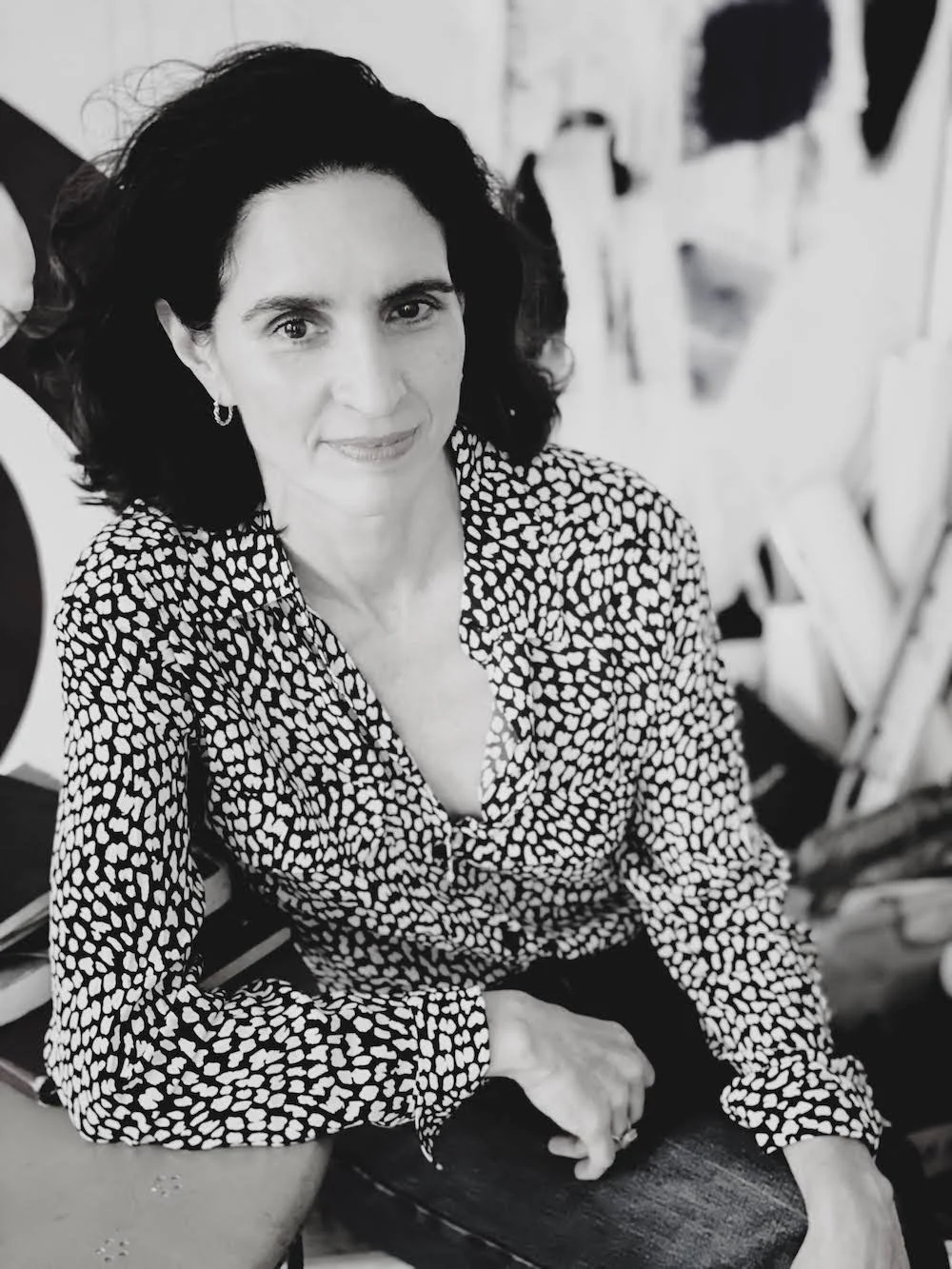
Vanessa Fabiano’s book is available here