
Ybernia
n. Medieval spelling of Hibernia, the name given by the Romans to Ireland.
We are a traditional bilingual publishing house which also offers translation, proofreading and editing services in English and Spanish.

Somos una editorial tradicional bilingüe. Además de publicar, ofrecemos servicios de traducción, corrección y edición en español e inglés.
Buy books in English
Check out our Ybernia titles: independent, epic books to capture your imagination.
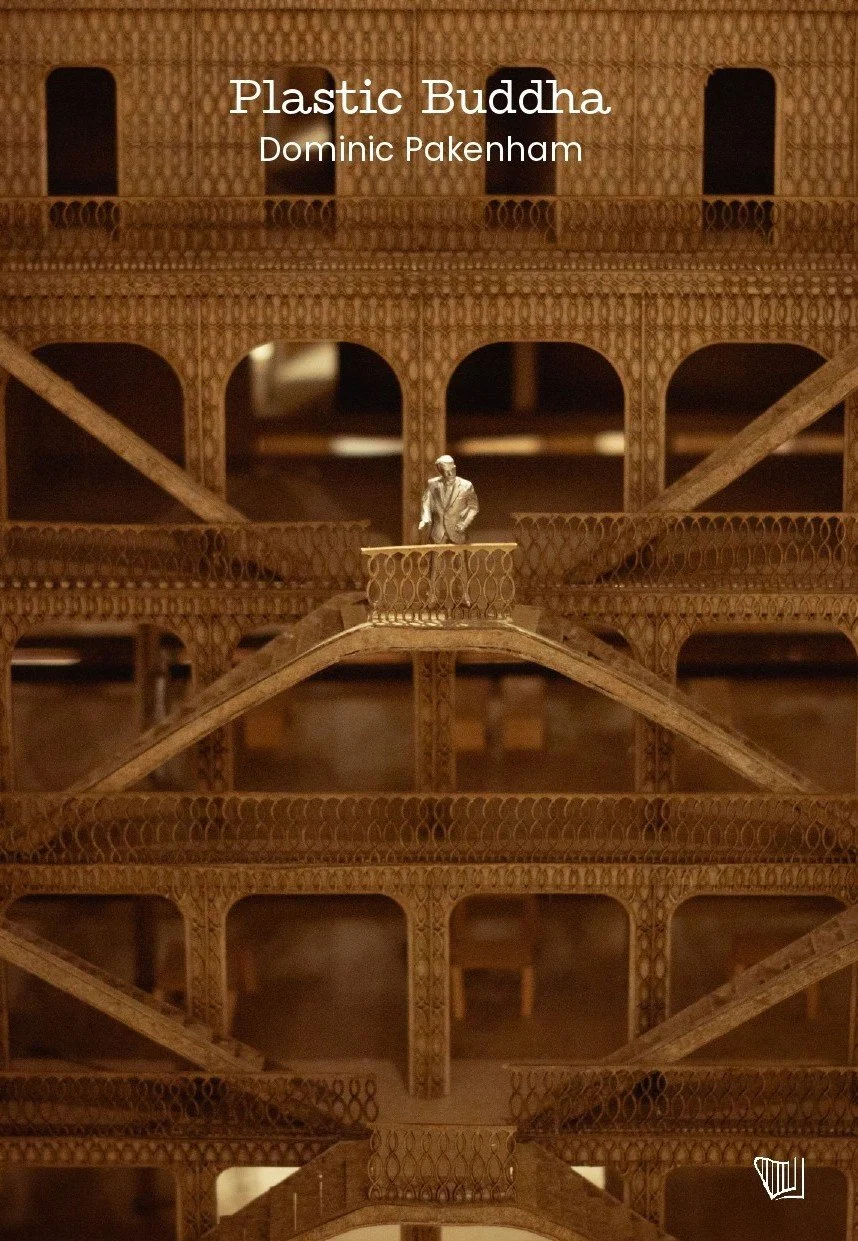
For as long as he can remember, Professor Adam Masterson has suffered with violent fits, the cause of which remains a mystery. Having consulted with scientists and medical specialists of all kinds to no avail, he entertains warily the possibility that these eruptions may have a psychological origin and begins seeing a psychotherapist. Shortly thereafter, the nightmares start as Professor Masterson is compelled to extend his nascent investigations into his own history beyond the bounds of the therapy room.
Dominic Pakenham studied Theology at Bristol University before going on to complete a Masters in Psychoanalysis at the University of London. Following this, he trained as a psychotherapist and worked for several years with high-risk clients within a remote clinic based in west London. He now lives in Vancouver, Canada, where he has a small private practice.
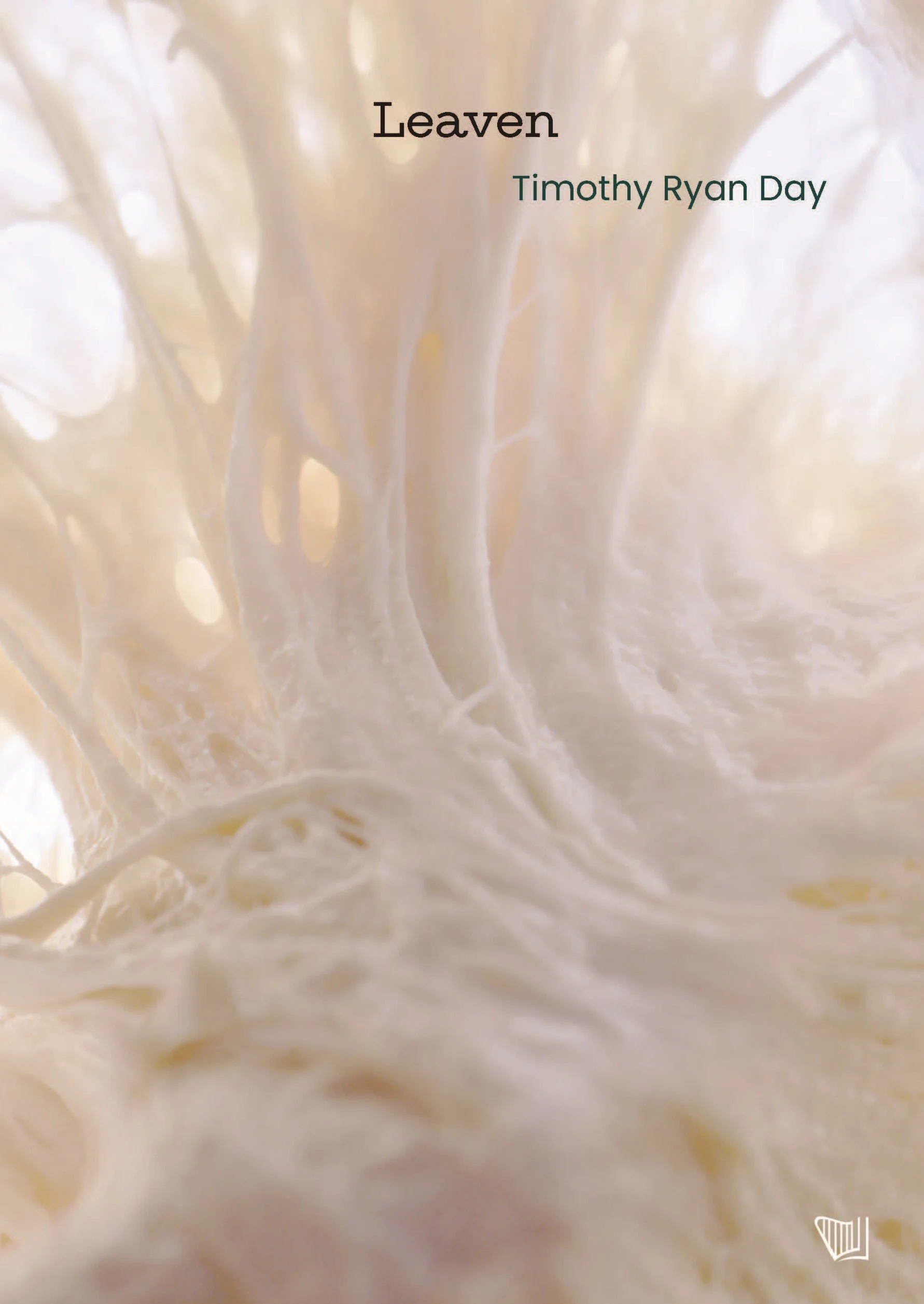
As the biggest project of her life comes online, a neuroscientist watches the world go dark and struggles to understand what's risen on the other side. Leaven is a novel about bread, intelligence, and what it means to be alive.
T. Ryan Day is a Madrid-based writer and professor of Literature and Creative Writing at Saint Louis University's campus in Spain. He was born in Tulsa, Oklahoma and raised in Chicago after spending years of his childhood in Colorado, Texas, and Georgia. He has taught at universities in the United States, China, France, and Spain.
He is the author of five books: the novels Leaven (2026), Outside Athens (2024), and Big Sky (2020); the poetry collection Green & Grey (2019); and the scholarly work Shakespeare and the Evolution of the Human Umwelt (Routledge, 2021). His fiction, essays, and criticism have appeared in academic, literary, and popular publications on both sides of the Atlantic. He was an early and longtime contributor to the creative nonfiction magazine The Nervous Breakdown.
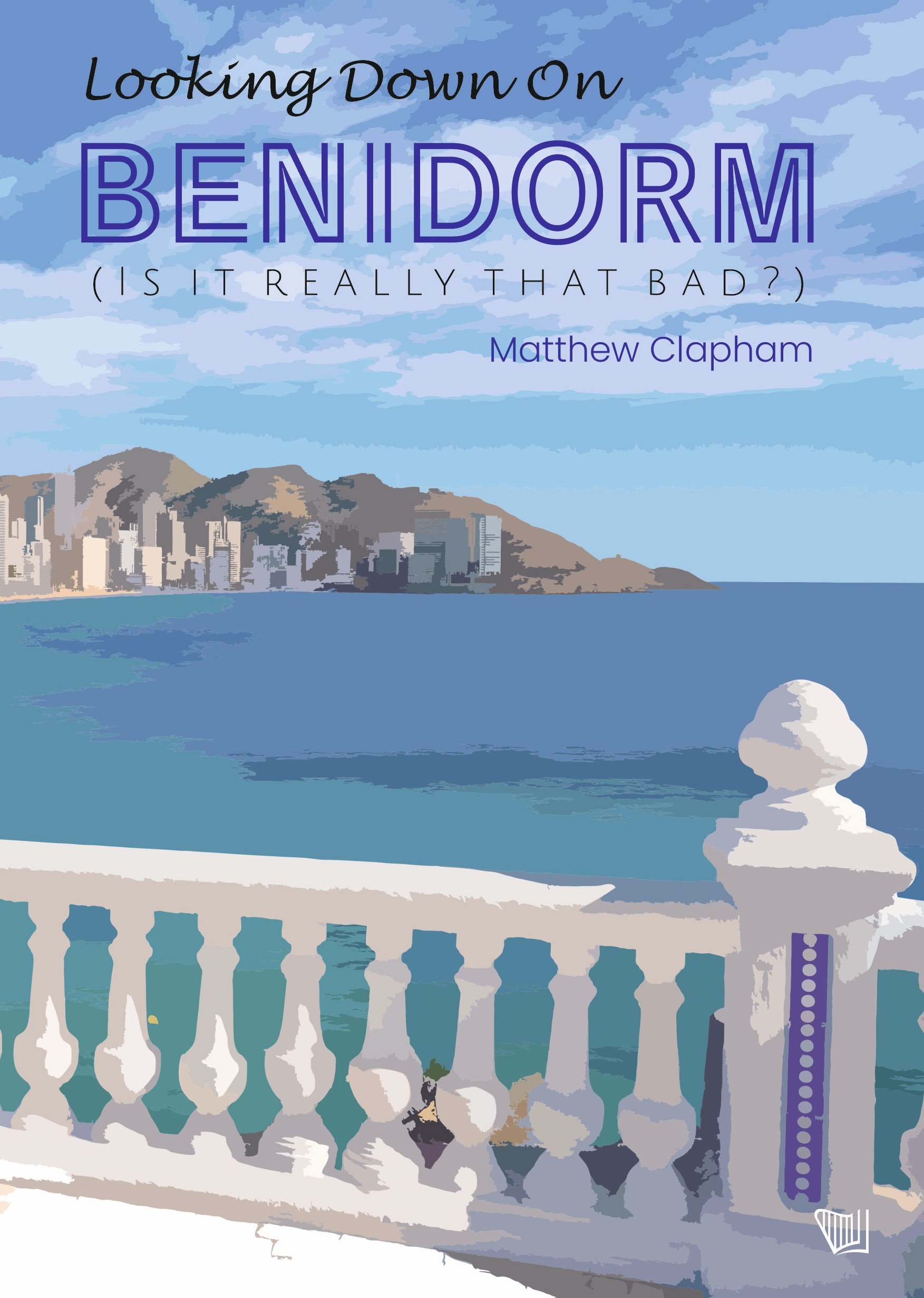
Javier Bardem doing karaoke in his undies? A conundrum that could only be answered by a city as unique and unexpected as Benidorm.
But what is Benidorm? How did its present form come about, with its distinctive architecture and economy, and its larger – and lairier – than life reputation?
Rising from its tranquil bay like a misplaced Manhattan, it has been challenging preconceived notions ever since Mayor Pedro Zaragoza Orts drew up plans to revive his poverty-stricken fishing village back in the 1950s.
So is the Mediterranean’s most successful holiday resort a vision of heaven or hell?
Think you know Benidorm? Think again.

What if raising bilingual children could be simpler - and more fun - than you ever thought possible?
Turn that dream into reality with Fluent Families, the practical, personalised roadmap to create your bilingual home!
Feeling overwhelmed by the idea of raising bilingual children?
Not sure where to start or how to fit it into your busy life?
Fluent Families is here to take the stress out of the process, offering clear, step-by-step guidance to make bilingualism a natural and enjoyable part of your family’s everyday routine.
Forget rigid methods or one-size-fits-all solutions. This book is designed to grow with your family, offering a simple, fun approach that works for YOU.

A tale from Japan.
Natsuo is a young man and a social recluse. After more than a decade shut away from the world, he finally finds a reason to leave home.
This epic adventure through Japanese folklore is a story as much about acceptance and society as it is about the Gods and Monsters of old Nippon.

Seventeen long-term, foreign residents of Madrid were invited to write about their trials, triumphs, loss and passion for the capital of Spain. Here are unique voices and experiences that tumble through the pages with sincerity and style. Forty years of memories, from the period of post-democratic reconstruction to the present. This is Madrid from the inside; a city always on the move, ever changing and changing lives forever.
Together with thirty-six evocative black and white photos that blend poetically the past with the present, Stray Cats captures nostalgia and a sense of place, transporting the reader to a Madrid they never knew existed.
John Dapolito has spent twenty-five years in Madrid and more than thirty living in Spain. He is an English language teaching professional, photographer and a regular of the open-mic scene in the city. A collection of five-minute tales, A Hundred-Year-Old Bitch, is currently in the works. His color photos are featured in the book A Guide to Madrid’s Literary District / Guía Literaria Del Barrio De Las Letras De Madrid (Secret Kingdoms).
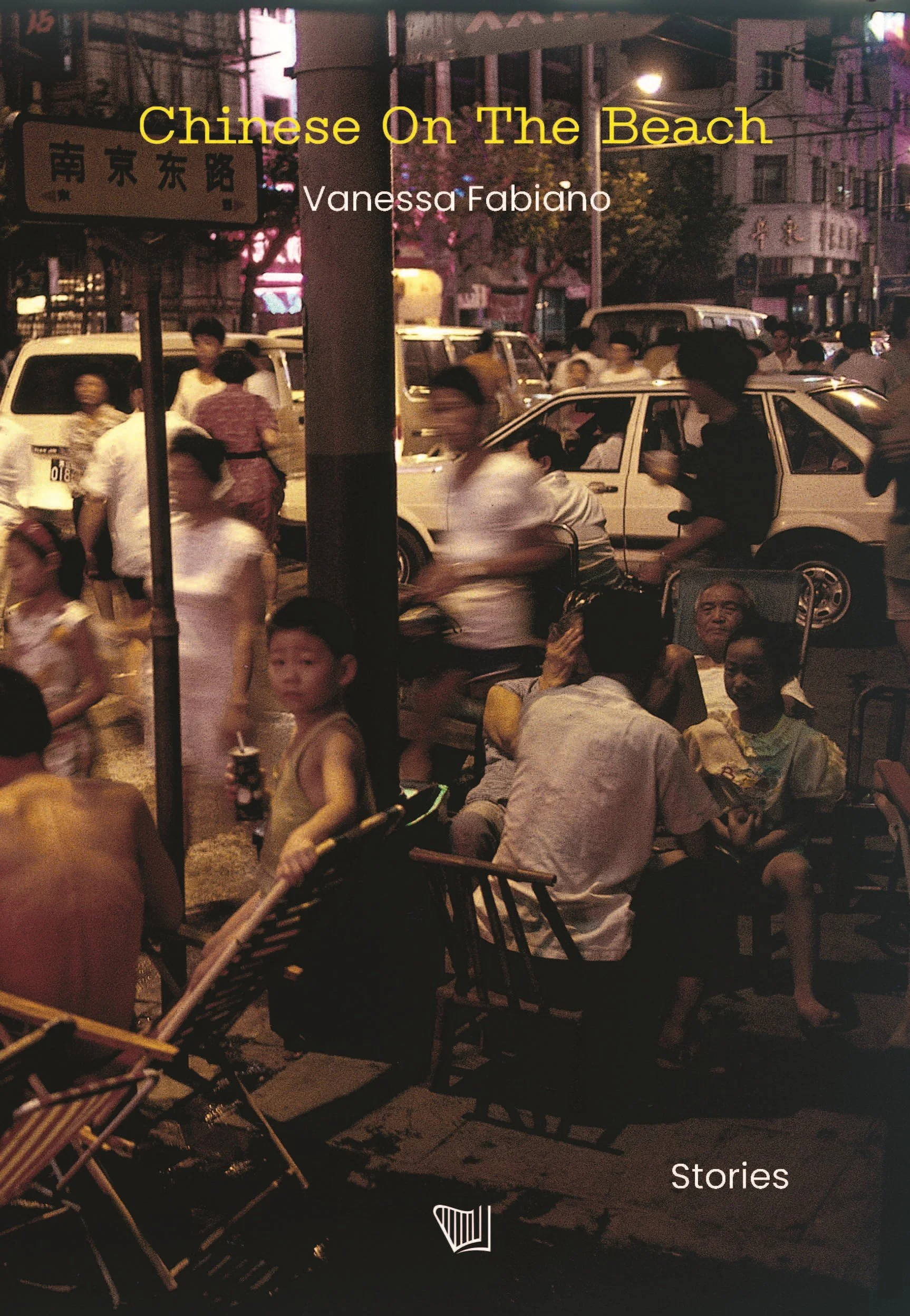
Chinese on the Beach is set in the brief, electric window when China threw open its doors and the world came rushing in. Spanning the 1990s into the early 2000s, these stories track expats, locals, and returnees as they chase opportunity, reckon with history, and try not to fall through the cracks. A power struggle in a Beijing media empire, a love triangle shadowed by the SARS pandemic, the ruthless choreography of Shanghai's social scene—each story explores the tensions of a country speeding toward the future, and the people caught in its wake.
Do you want to read a sample? Click here!
A Thousand Lives is about love (and heartbreak), art (and how it makes and breaks us) and the strength and endurance that come from life’s most challenging times. After riding each storm and coming out the other side – scars and all – we learn that life is so much more than existence: it is a relentless teacher and a sacred companion.
We owe so much to our mistakes.
Parisa Salahshourian was born in Isfahan (Iran) and lives in Madrid (Spain). She is a passionate Literature teacher, as well as a dedicated theatre actress/director and a creative writer. A Thousand Lives is her first poetry collection.

“Shelley’s a beautiful shark,
She lives in the deep blue sea …”
One day Shelley’s got a terrible pain.
Something is stuck in her tummy.
Who can help?
And what can Shelley and the sea animals do to clean up their world?
Recommended age: 4-8
This series of short, frank interviews gives a dramatic picture of what it was like to be a woman living in Spain under Franco’s regime.
Under the rule of Franco, Spain’s military dictator from 1936 until 1975, Spanish women lived very restricted lives, controlled by their fathers, husbands, the Church and the State.
In Daughters of Spain, women of various ages and from all strata of society relate their experiences and in the process illustrate how the lives of women have changed dramatically since his death.
‘I told them that it was wrong; that I was the mother, but they wouldn’t listen. How could they put “mother unknown”, when I was standing there right in front of them?’ -Jeannette.
‘When they came into the university you hid anywhere you could. It didn’t matter if you were guilty of anything or not, you were still beaten.’ -Ana
On a sun-drenched beach in northern Spain, Todd McCarthy sees an old college friend – a friend with whom he shares a troubled past. The life he has forged for himself – with his partner Jade – is suddenly upended as their paths cross once more.
A Billion Sharp Pieces asks how far someone can be pushed before they crack and what does it take for Todd to realise there are only two choices: living or dying.
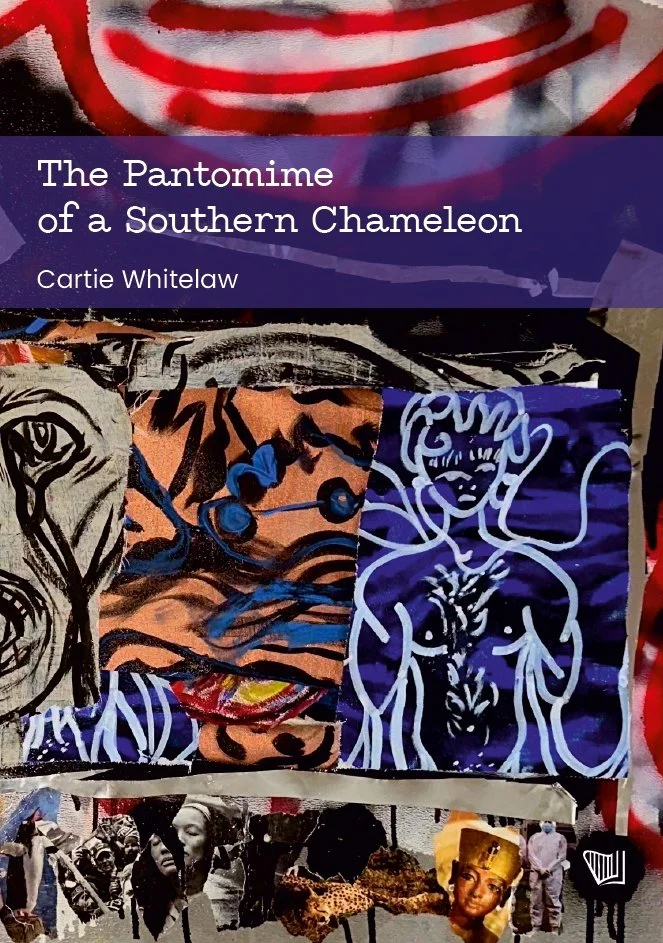
The Pantomime of a Southern Chameleon is an enigmatic memoir that details the experience of the narrator, Cartie Whitelaw, through his college experience in the Deep South of the United States. The book is as much a cultural critique as it is a recounting of Whitelaw’s life and his ultimate coming-of-age. From art gallery shenanigans in New Orleans to run-ins with the law in Texas, Cartie takes you on an odyssey that explores identity, performance, and survival in the American South. Cartie’s more painful experiences, like being sexually assaulted or being gay in the Deep South, all became tools for self-discovery and learning about the societal structures that allow harm to be absorbed rather than addressed. This book pushes us to look at ourselves and see how much we sacrifice for others' comfort; it pushes us to transform the chaos of our lives into something meaningful.

Finally, Phil’s life in Madrid is falling into place: the dream job, the colourful drinking buddies, a clear path. Then his old friend-with-benefits shows up and disrupts everything after a summer affair with a bullfighter ends in tragedy. She is soon followed by an old flame, the woman who brought him to Spain in the first place.
Caught between two women in a savage week of hedonism, stretching from the Spanish capital to Toledo and Marbella, Phil will have to keep it together if he wants to realise his ultimate dream.
Spained is a visceral novel, a story that plunges you into wild Spanish days and nights, where lost, broken people try to make sense of it all.
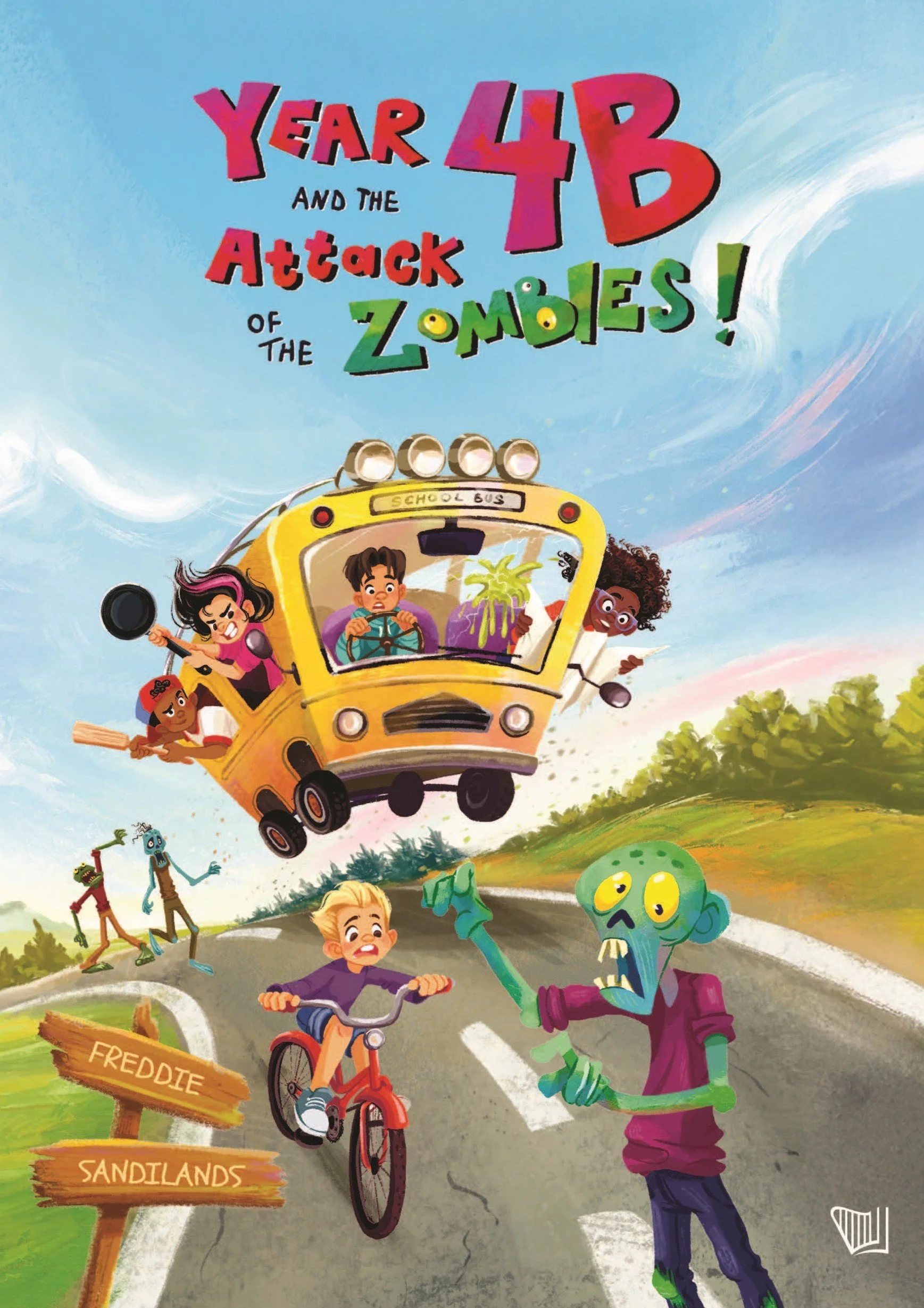
A zombie apocalypse has been unleashed! And the only people who can stop it are a group of badly behaved school children.
If they want to end the ancient zombie curse, Year 4B are going to need to borrow the school minibus, drive to Scotland, and smash A LOT of zombies. They'll need to use all their cunning, not argue for at least five minutes, and work out if it's better to whack a zombie with a frying pan or a cricket bat.
Because if Year 4B don't stop this ancient curse, then no one will...
Comprar libros en español
Libros independientes. Elige tu género y haz volar tu imaginación.
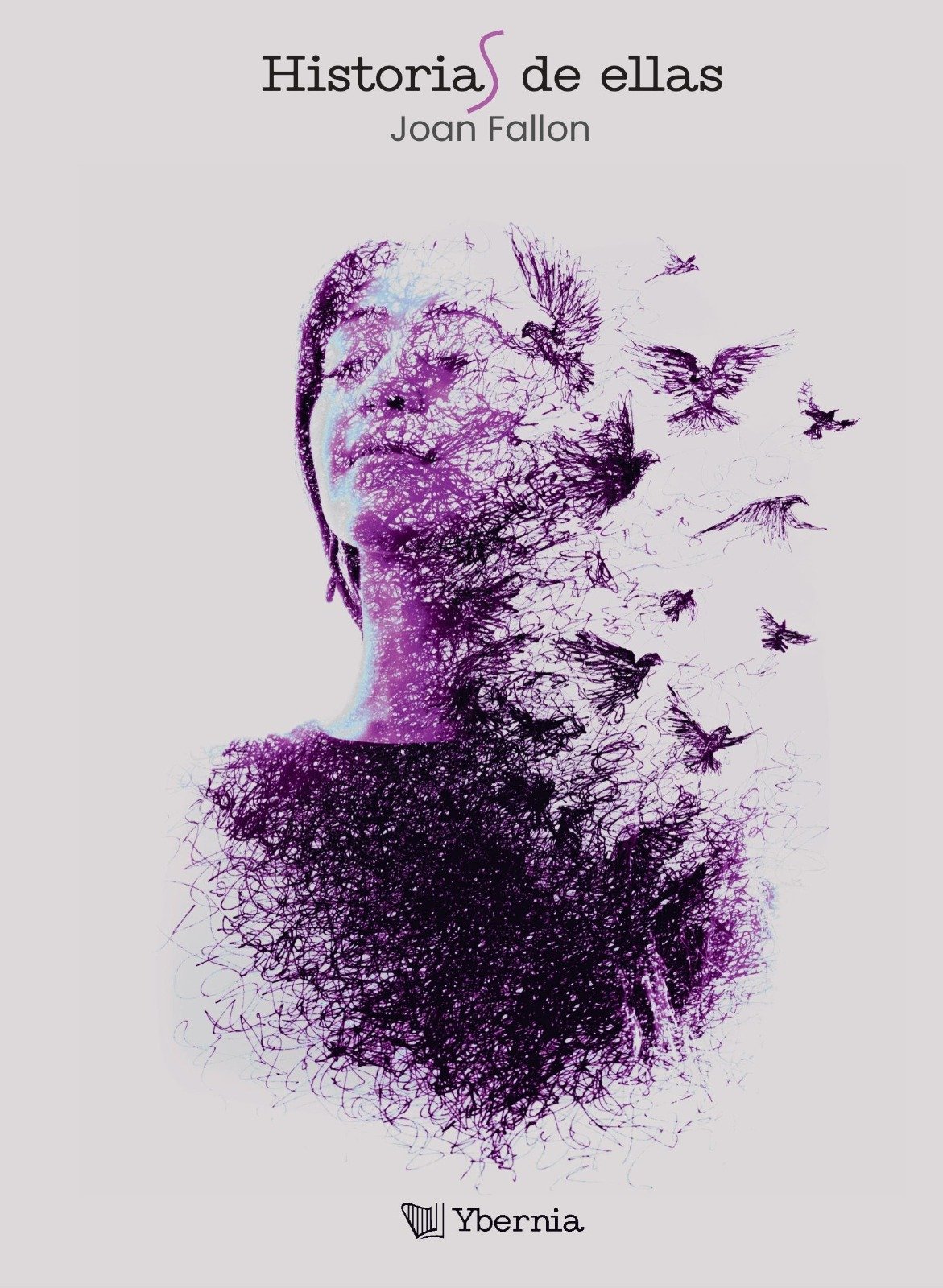
En Historias de ellas, mujeres españolas de distintas edades y condición social relatan sus experiencias vitales en diferentes momentos del siglo XX. Entre 1936 y 1975 en particular, las vidas de las mujeres en España se vieron restringidas y controladas a partes iguales por sus padres, sus maridos, la Iglesia y el Estado. Esta colección de entrevistas cortas y sinceras ofrece un panorama dramático de lo que suponía ser mujer durante la dictadura franquista, y de lo que ha cambiado desde entonces.
«Les dije que eso no era correcto, que yo era la madre, pero no me escucharon. ¿Cómo podían poner “madre desconocida” cuando estaba ahí yo enfrente de ellos?» - Jeannette
«Cuando venían a la universidad, te escondías donde pudieras. Daba igual que hubieras hecho algo o no, aun así, te pegaban». - Ana
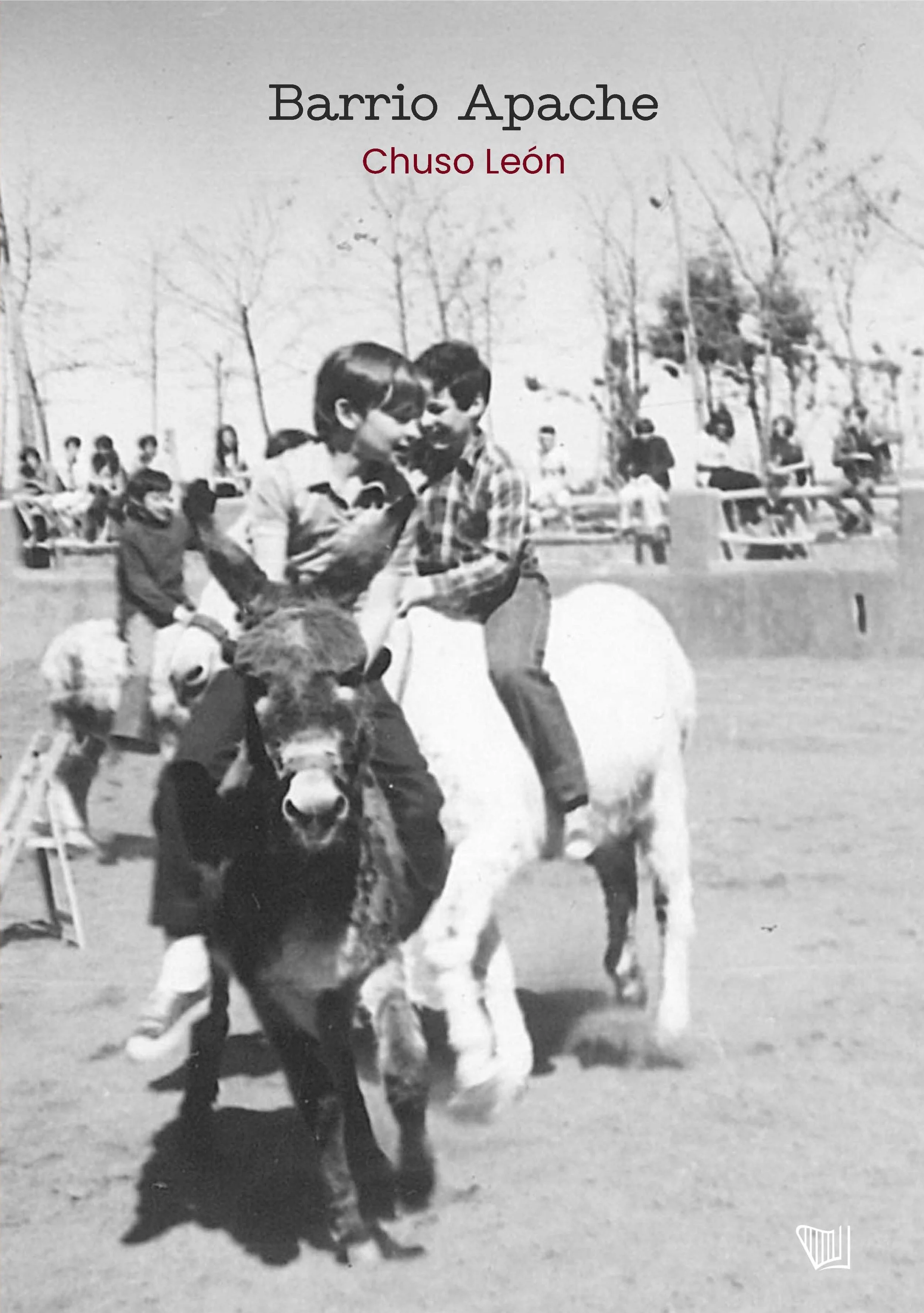
Verano de 1986. En apenas cinco días, una pandilla formada por cuatro chicos de un barrio del sureste de Madrid ‒Rule, Fosko, Cañito y Remi‒ vive una vorágine de acontecimientos y emociones que será de profundo calado para el resto de sus vidas.
Barrio Apache es una historia cargada de comicidad, aventuras, conflictos, sensibilidad e intriga, además de un evidente homenajea la cultura popular. Un canto a la amistad de aquellos que se criaron en la calle, recorriendo los descampados, jugando al bote y al pañuelo… y disfrutando de un mundo que ya sentirán perdido, salvo en sus añorantes recuerdos.

La desaparición de la joven estudiante Úna Lambert, cerca de los bosques irlandeses de Slieve Bloom, convierte a Zechariah Quinlan, hombre solitario, taciturno y con antecedentes penales por acoso sexual, en el principal sospechoso. Sin embargo, la policía no logra pruebas concluyentes que lo relacionen con dicha desaparición.
Días después, libre de toda sospecha, Quinlan recibe la visita de un mendigo que le asegura saber toda la verdad.
Rafael Novoa (Gijón, 1957), trabajó, entre otros, en el sector de las artes gráficas. Se acerca a la creación literaria de manera autodidacta por su afición a la lectura y a escribir relatos. Ha ganado premios como el Internacional de Cuentos La Felguera, el Marta Portal de Novela Corta, el Círculo Cultural Faroni con el cuento Mi hermano (publicado por la editorial neoyorquina McGraw-Hill Education para el libro Triángulo Aprobado y la Wayside Publishing para la Roger Williams University de Boston); también ha recibido el Internacional Villa de Navia, el Athenea de Granada, el Signo Editores y El País Semanal de relatos, entre otros. Además, ha sido finalista en el Ateneo Ciudad Galdós de Novela y en el Internacional de Novela Negra Bellvei Negre.
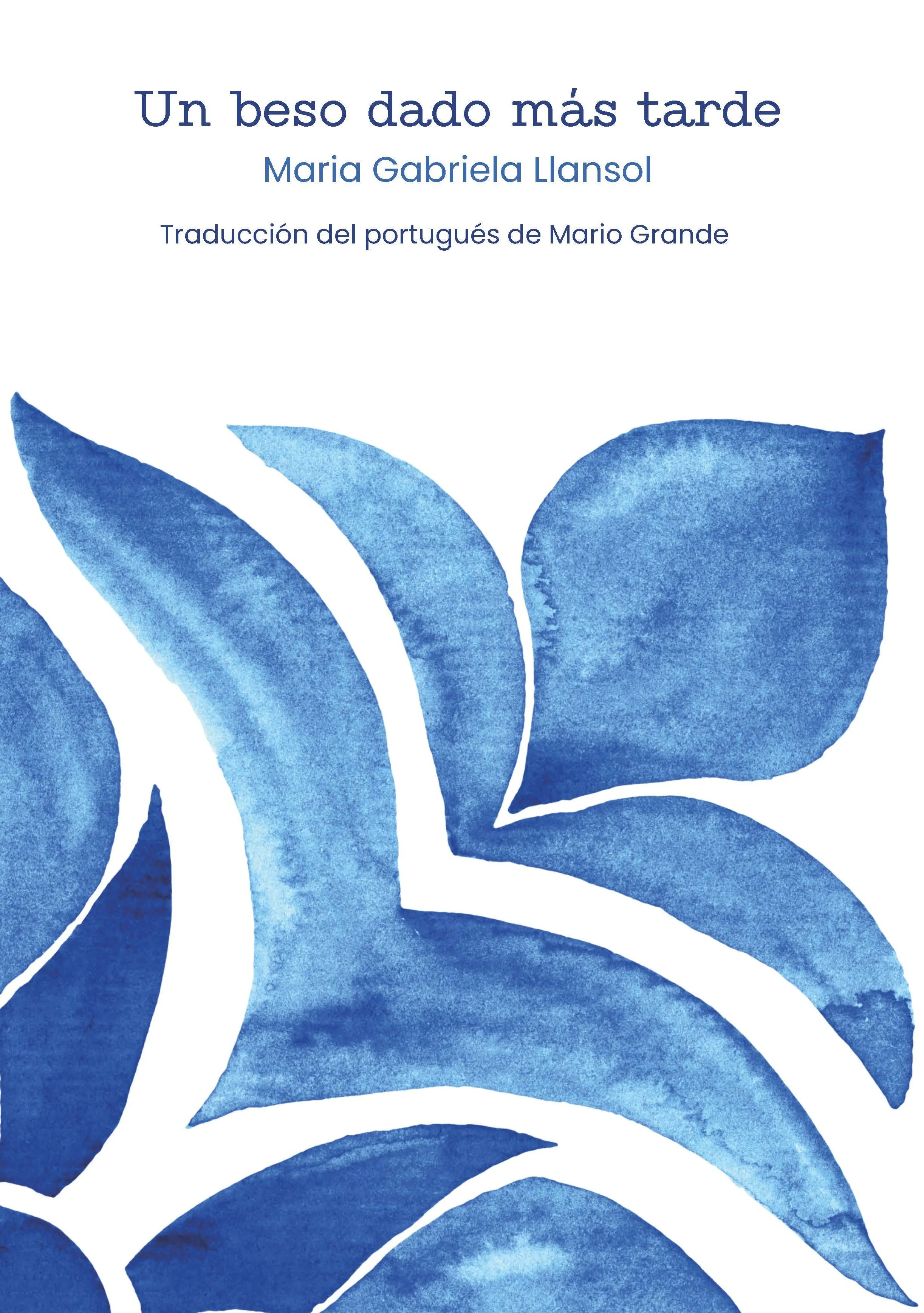
Un beso dado más tarde (Premio de Novela de la Asociación Portuguesa de Escritores) pasa por ser el más autobiográfico de los libros de Llansol, a la vez que constituye la primera dramatización de su mundo estético. El descubrimiento de que su padre había tenido un hijo (abortado) con la criada hace brotar en la autora/narradora la figura de Témia (¿temor, justicia?) “la muchacha que temía la impostura de la lengua”. De ahí la necesidad de una nueva lengua sin la impostura de que no puede haber reproducción legítima fuera del matrimonio y, si la hay, contra la impostura de silenciarla, ocultarla y matarla por prejuicios patriarcales.
En realidad este es también el tema principal del libro: depurar la memoria de la lengua heredada, (des)aprender la lectura y la escritura. Llansol se aparta de la estética realista: no hay representación de la realidad ni narrativa lineal, sino “escenas fulgor”. No hay personajes, sino “figuras” que constituyen los nudos constructivos del texto (Témia, Pessoa transmutado en un Aossé fragmentario) convocando también a objetos inanimados, como la estatuilla de Ana enseñando a leer a Myriam. No hay lectura descifradora, en un texto concebido como un cuerpo que afecta a otros.
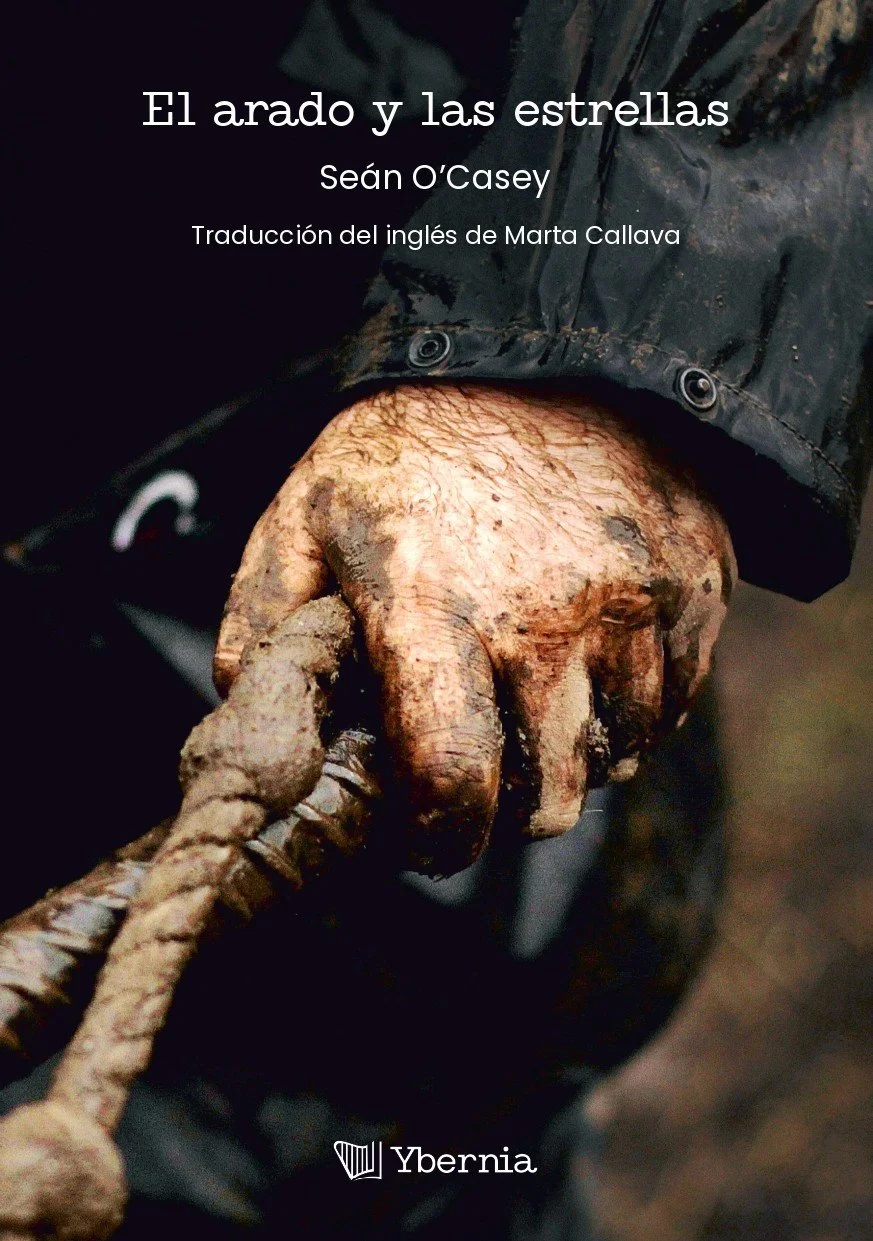
Dublín. En el marco del fallido Levantamiento de 1916, la clase trabajadora intenta sobrevivir.
O’Casey nos acerca a personajes contradictorios pero cercanos, cuyas vidas se ven moldeadas por la pobreza extrema y por fuerzas que escapan a su control.
Cuando la obra se estrenó en 1926, las protestas fueron sonadas. Hoy en día, celebramos la obra por su realismo, su hábil descripción de temas complejos y su profundo peso emocional. Los grandes momentos históricos siempre conllevan un gran coste humano, y O’Casey consigue describir sus múltiples dimensiones de una forma excepcional.
«El arado y las estrellas me sigue despertando profundas emociones y, aunque aún llevaba pantalones cortos, todo lo que vi aquella noche en el pequeño centro cívico de mi pueblo acabó siendo una de las principales razones por las que decidí dedicar mi vida al teatro en sus diversas formas».
Denis Rafter, director de teatro, actor y escritor
El Libro de los Abedules cuenta la historia de varias docenas de mujeres rusas fugitivas ante el aviso de una catástrofe inminente, como una alegoría de la necesidad de un nuevo comienzo feminista y un nuevo modo de ser humano entre los seres vivos. Ajeno al poder.
Prueba a leer el libro como un homenaje a la literatura rusa.
Prueba a leerlo como punto de fuga de la aparente certeza de los templos y la frágil fortaleza de los palacios.
Prueba a leerlo como un ajuste de cuentas con las andanzas de la primera juventud.
Prueba también a leerlo como grieta por donde escapar del desastre.
Prueba a leerlo entre líneas y descubre si eso no va escrito.
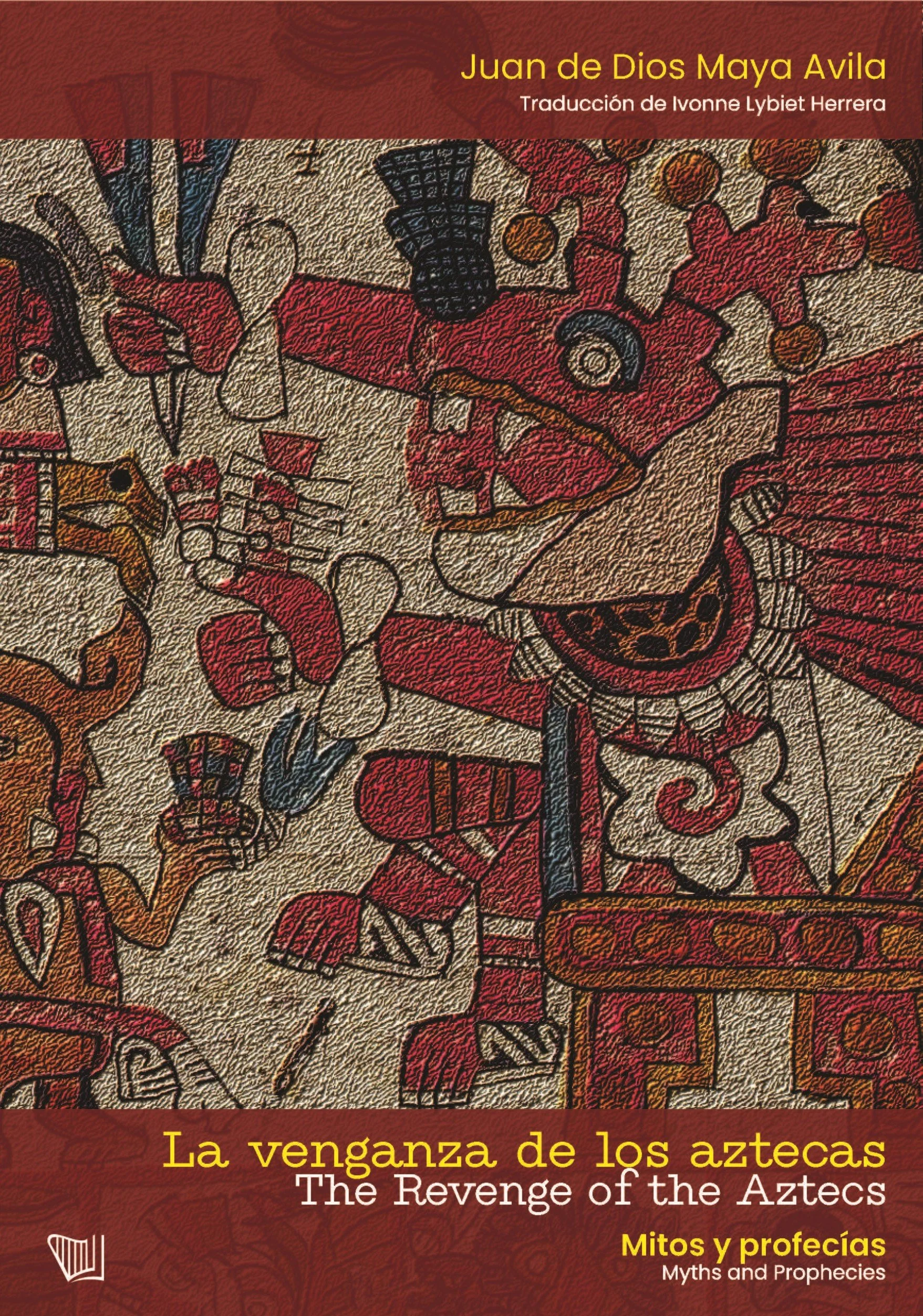
La Venganza de los aztecas (mitos y profecías) es un juego entre los mitos prehispánicos, novohispanos y las leyendas decimonónicas que forjaron la identidad mexicana, en correspondencia con los signos y símbolos que han ido construyendo el México contemporáneo. Nahuales, brujas y tlatoanis; Quetzalcóatl, Tezcatlipoca y Huitzilopochtli; Pedro Infante, Madame Calderón de la Barca y José Alfredo Jiménez; enmascarados de la lucha libre, intelectuales trasnochados y profetas del pulque. Estos son algunos de los personajes que desfilan en las páginas del libro en un periplo por los mitos primordiales hasta enfrentarse con su contraparte metafísica: la ciencia ficción de las profecías.
The Revenge of the Aztecs (Myths and Prophecies) is an exciting blend of pre-Hispanic, New Spanish myths and nineteenth-century legends that have shaped the Mexican identity, in line with the signs and symbols that have contributed to the formation of contemporary Mexico. Nahuales, witches and tlatoanis; Quetzalcóatl, Tezcatlipoca and Huitzilopochtli; Pedro Infante, Madame Calderón de la Barca and José Alfredo Jiménez; masked wrestling stars, old-fashioned intellectuals and pulque prophets, are some of the characters that parade through the pages of the book in a journey through primordial myths, until they collide with their metaphysical counterpart: the science fiction of prophecies.

El secreto del Rey Lowry Lynch es una historia de fantasía para toda la familia.
Así que, sentaos ya bajo un árbol en vuestro jardín o en el bosque, o en casa de los abuelos. Todos quietos. Cerrad los ojos mientras alguien empieza a leer este libro; dejad que las palabras os lleven a un mundo de fantasía, de hechizos, de música y de sonrisas.
Entrad en el mundo de Lowry Lynch, un rey inseguro, y de la Reina Háilín, su sabia mujer, de Tranóg, el artesano, y su gato Maidín, que solo busca paz y tranquilidad, del bardo Níl Né Núnan y su arpa mágica, de un viejo árbol encantado, que habla y crece al lado del río Dototurbo en la tierra de Ditiramba, y de un grupo de seres llamados los Aymedines, muy cultos y dedicados al arte de la danza, la música y el teatro.
Y disfrutad.
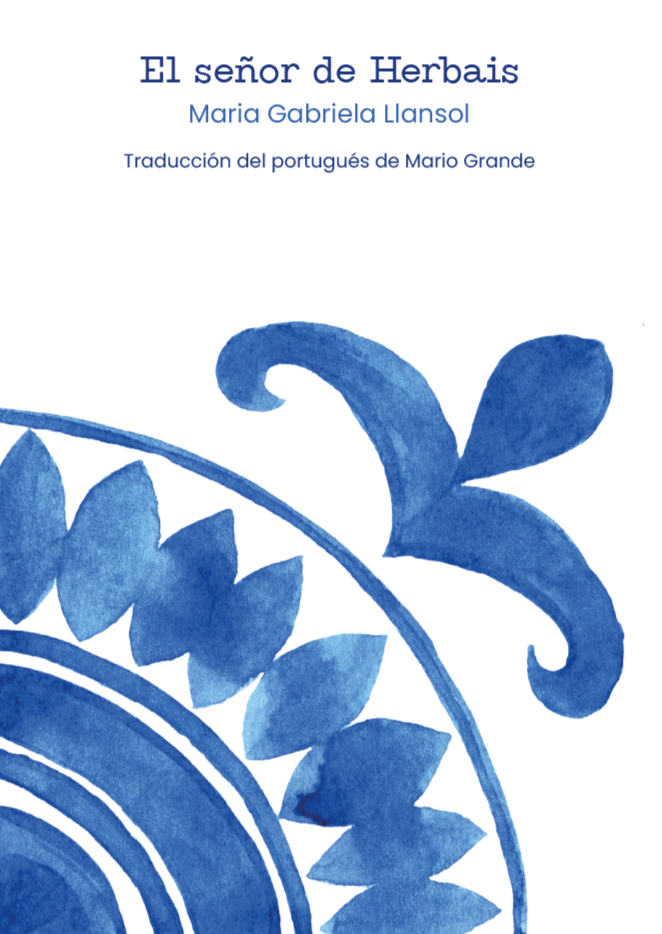
Llansol vivió buena parte de su exilio en Herbais, Bégica. Tal vez por eso los tintes sombríos con los que se describe en el texto al Señor de Herbais, rico hacendado, dueño de la casa, que luego evoluciona a figura proteica de persona, animal, objeto, incluso multitud expresiva de su infinita diversidad: «¿qué nombre darle?». Hay en el título de este texto todo un compendio de los ensayos en los que la autora responde a la pregunta de qué cuenta en sus libros: «el malestar profundo de los seres humanos, de los animales y de las plantas, ando en busca de un final feliz. Ando a ver si el fulgor que, a veces, hay en las cosas, es mejor guía que las creencias que tenemos sobre ellas o que los pensamientos que a propósito de ellas se nos ocurren».

Durante el verano de 1969, once personas convivieron en Madrid sin saberlo. Solo uno llegaría a ser premio nobel de literatura: el irlandés Seamus Heaney.
Heaney encontró en la ciudad un espejo donde mirarse: los acontecimientos políticos de esos meses tanto en España como en su Irlanda del Norte natal le hicieron cuestionarse el papel del artista en los momentos decisivos de la historia. De esa reflexión sobre la tensión entre el pasado y el futuro de un país, de esa duda entre implicarse o no en la vida política, nació su famoso poema Summer, 1969.
Y de sus evocativas líneas, más de cincuenta años después, surgieron las historias de los diez personajes de este libro: personas corrientes, como estudiantes, serenos, amas de casa, extranjeros, enfrentándose a la cambiante realidad política y urbana del país, cuyas vidas sin duda fueron las de muchos y a las que este libro quiere homenajear.
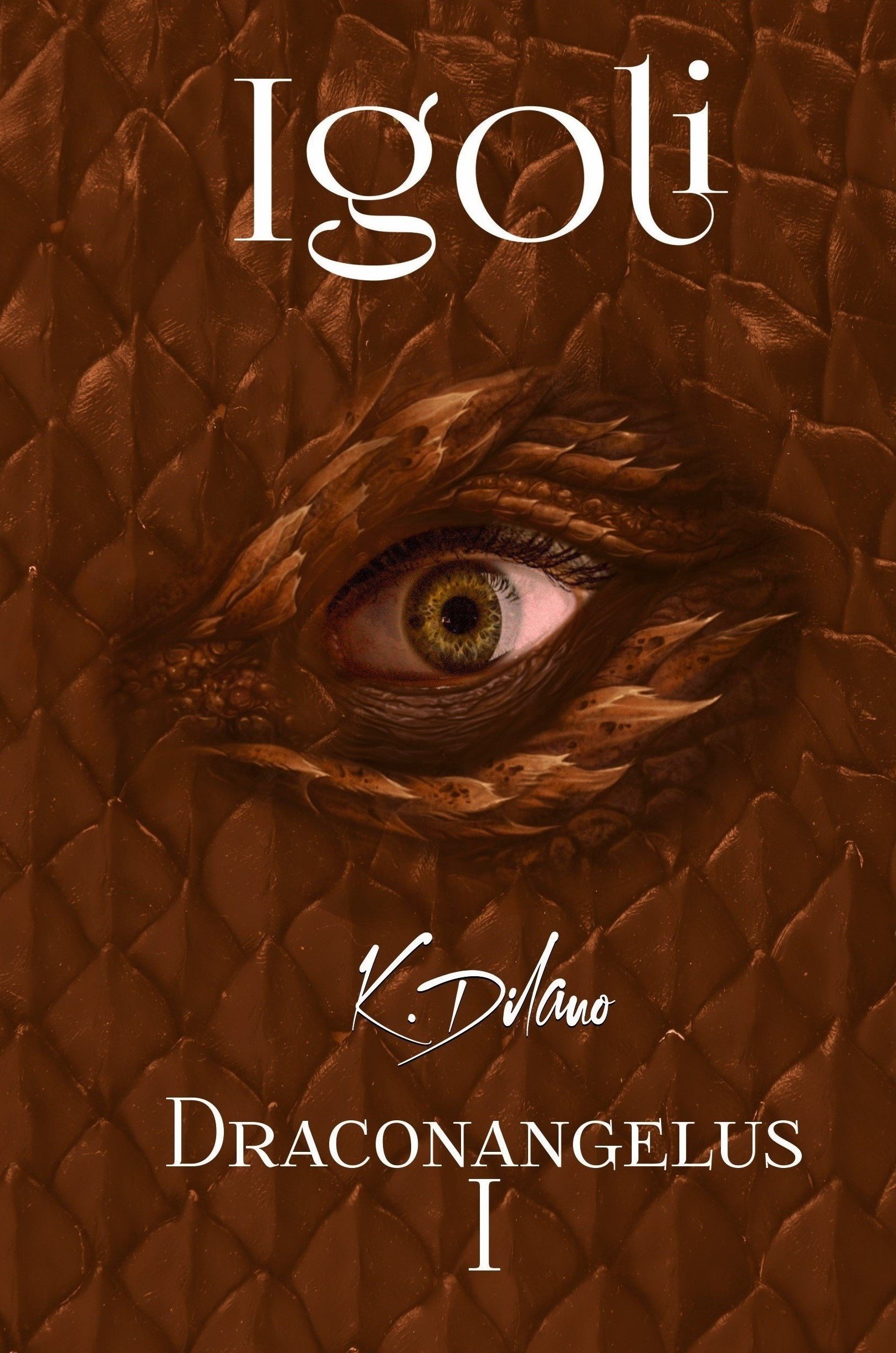
La vida de la joven Angie cambia con la repentina muerte de sus padres. Tras esta tragedia aparentemente inesperada, descubre cosas que le hacen preguntarse si su familia oculta un profundo secreto.
Con la ayuda del apuesto William, propietario de un extenso rancho en Kenia, y del igualmente atractivo Raffaele, uno de los mejores amigos de su hermano, intenta desentrañar los misterios que la rodean.
Ambos tienen sus propios secretos. En la primera parte de esta saga de Draconangelus, los tres tendrán que unirse contra las fuerzas oscuras que amenazan al mundo y a la única familia que le queda a Angie.
Tell us how to help.
We like your idea. Let’s turn it into a book.


Postcards from Europe is a collection of selected writings from a decade of travels around the continent.
Inspired by writers like Laurie Lee, Jan Morris, Patrick Leigh Fermor and others, this book is a thoughtful, poetic and gastronomic look at Europe both large and small. From great capitals to isolated villages, and from city squares to far off valleys, Postcards From Europe will transport you to the prettiest corners and the tastiest foods, hopefully with a laugh here and there for your troubles.
Luke Darracott moved to Madrid in 2009 after having studied Spanish and Russian. He is a writer, with two travelogues about Spain (The Sun Struck Upwards and El Camino) and a novel, Hikikomori: Journey from Darkness (also published by Ybernia), to his name. He is also a podcaster, YouTuber and wine expert, running the well-known Madrid & Darracott vinoteca in the heart of the capital.