
Living Abroad as a Writer: Isolation and Connection
Olivia Pucylowski is studying literature in Madrid, and she is interning in Ybernia as a reader of submissions.
A year and a half ago, I moved all my things in two large suitcases across the world to start my undergraduate degree. I realized that in Chicago, I left behind a world that looked a certain way: bungalows made of warm red brick, apartment courtyards littered with jump ropes and chalk, and sidewalks so terribly ruptured that as the kids biked over the cracks, a charming music was produced of uneven rhythm. My experience of Madrid overlapped with a mourning of Chicago. But I soon uncovered great value in this isolation, especially as a student of literature and a writer. I came to understand that inhabiting the particular type of solitude of living abroad was formative to my practice of observation.
For the first few months in Madrid, I felt very acutely that I did not belong. I had the impression that inanimate objects held disdain towards me: buildings, street signs, trees. I perceived judgement in the eyes of strangers. I perceived judgment in the eyes of dogs. Walking down the street felt like living in a vacuum, impenetrable of sound and letters, impenetrable of meaning, impenetrable of connection. I believe that my foreign surroundings amplified the inherent solitude of being eighteen, but there was something richer and more interesting than just that.
Arranged in a different way
Living abroad means the world is arranged in a different way. One focuses on small things they would usually never focus on. Why is it that a quarter of the grocery aisle is imprisoned in plastic boxes? Why is it that Spanish men wear one of three or four colognes, and the scent lingers, around some street corner, somewhere in a crowd, behind you, ahead of you like a bizarre sensory labyrinth? Why was it that on weekday mornings, like clockwork, masses of teenagers would appear outside of the Día, seemingly all dressed in black, rolling, gulping, laughing, like overgrown birds with pastries in their hands? One feels very much like a spectator of an absurd play, or a guest in their own dream, where the atmosphere suddenly operates under a new set of rules.
This is to say that there is a particular silence to living abroad. And as a writer, I was seemingly robbed of all my tools. Language, which is what I thought I was best at controlling, completely escaped me.
Sound of silence
This I found to be essential to my writing. This silence forced me to look for connection in uncommon places.
I found it in the ubiquitous old man at the bar, smoking and drinking his morning coffee. Watching the passerby in weariness, he reminded me of my grandfather.
I found it in the papers stuck to the dashboards of the cars, calling somnolently, one after the other, busco piso, busco piso, busco piso.
I found it in the woman I saw at night feeding the street cats on Cuesta de Moyano. She pulled seemingly interminable cups of food from seemingly interminable plastic bags. Hunger unearths in hidden forms, the cat’s face half-absorbed in shadow: but so does connection. The street cats on Cuesta de Moyano are mysteriously overfed because of their nightly caretaker.
I have become more comfortable with inhabiting a space where my questions are unanswered. I believe there is great value in sitting with the loneliness of being a foreigner: it forces you to look and think more, revealing that soft mystery latent to all people and things.
And remember...
You can find our books here, and you can listen to our podcast by following this link.
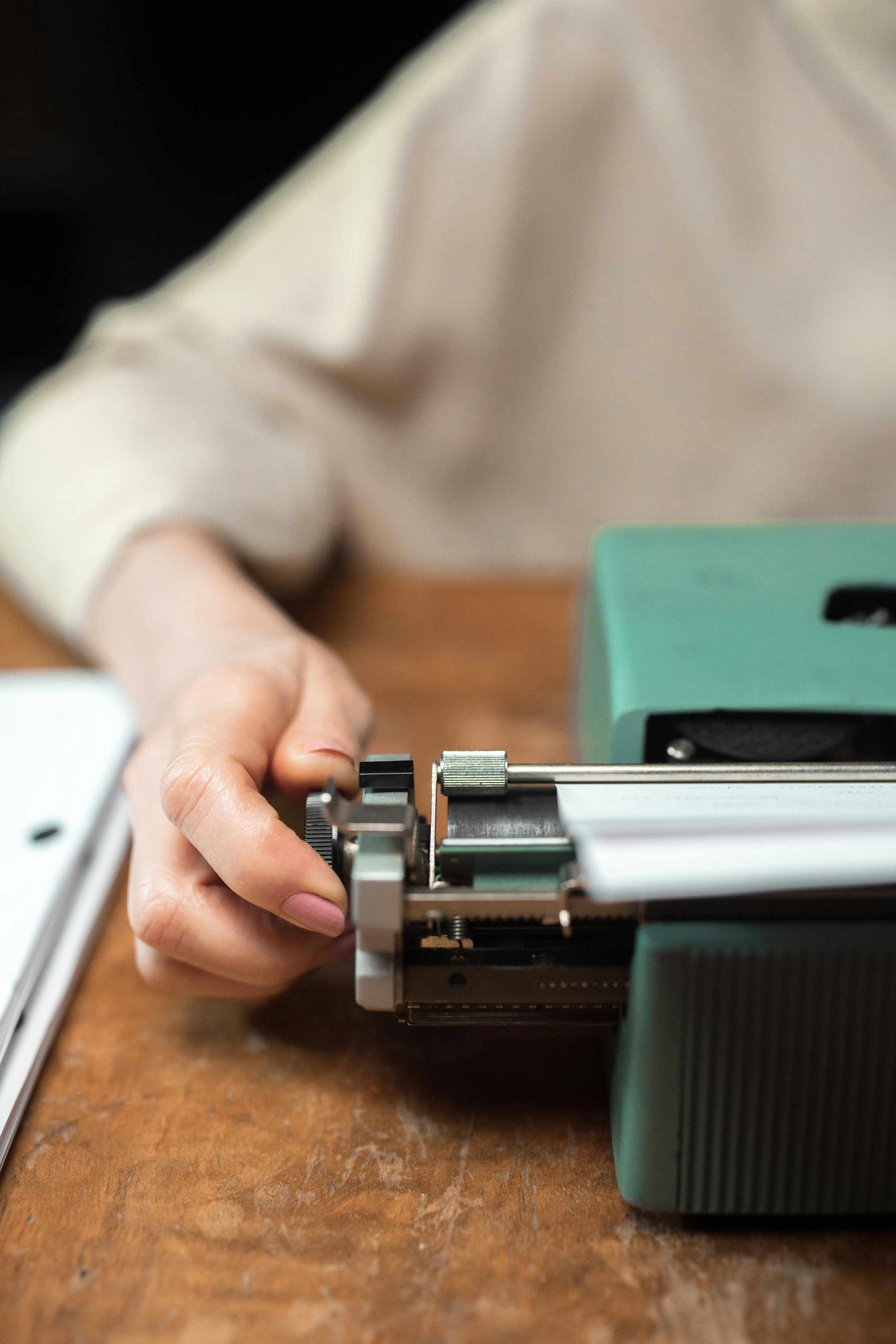
Photo Credit: Photo by Ron Lach : https://www.pexels.com/photo/person-holding-gray-metal-tool-7968784/